

Experience Gifts for Child Development: Why They Matter
Table of Contents
- Why Experience Gifts Build Confidence and Learning
- Experience Gift Ideas for Kids by Age and Interest
- Screen-Free Activities for Children That Develop Real Skills
- Frequently Asked Questions
Last Updated: October 10, 2026
Why Experience Gifts Build Confidence and Learning
Experience gifts, art classes, zoo visits, climbing gyms, adventure outings, support experience gifts child development by building cognitive skills, emotional resilience, and social confidence that toys cannot develop.
Experiences demand active engagement: an art class teaches problem-solving and self-expression while a climbing gym develops motor skills and resilience.
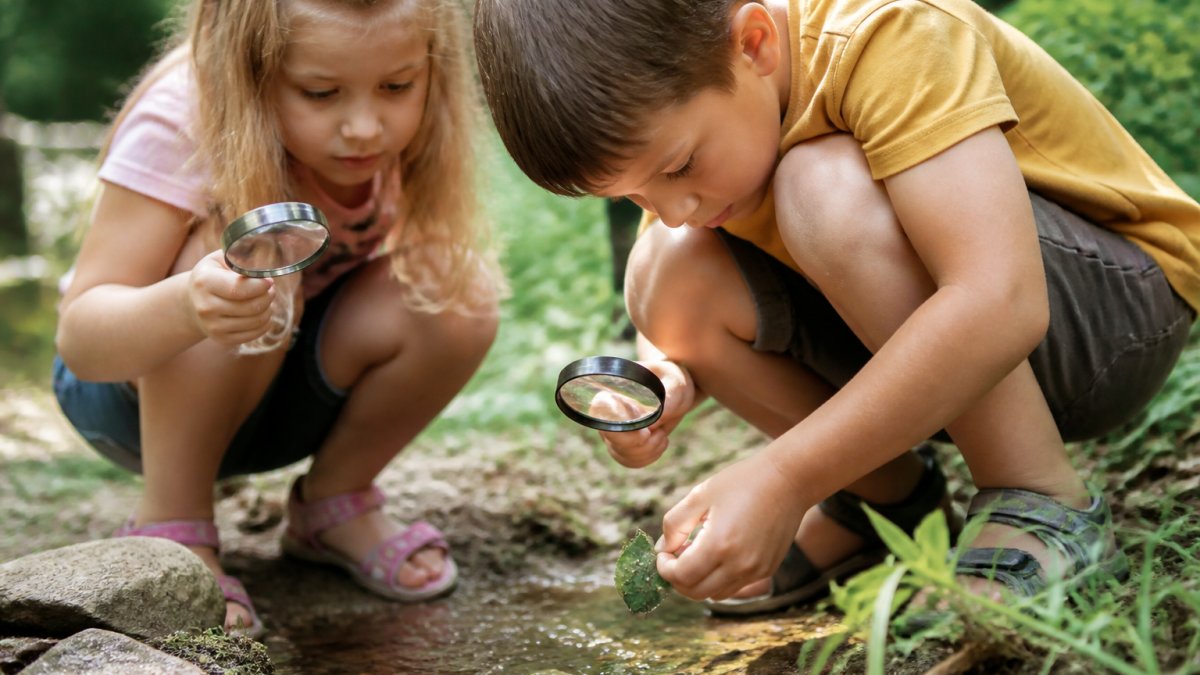
Miso & Kili's Adventures combines adventure-themed stories with interactive missions that develop focus, creativity, and genuine curiosity.

Experience Gift Ideas for Kids by Age and Interest
Ages 4-6 benefit from climbing gyms and nature walks; ages 7-9 from rock climbing, coding, music, or sports; ages 10+ from adventure camps and specialized training.
Pair experience gifts with complementary materials: our Miso & Kili's Flying Adventures: Complete Series Softcover Set ($74.95) and Miso & Kili Activity Book Bundle ($24.99) extend learning through puzzles and creative activities inspired by real-world exploration.

Screen-Free Activities for Children That Develop Real Skills
Hands-on activities build motor skills and spatial reasoning: climbing gyms develop gross motor control, art strengthens fine motor coordination, and building teaches planning.
Problem-solving emerges through play, building teaches structure while group activities develop cooperation and communication.
Miso & Kili's Flying Adventures: Complete Series Softcover Set (Books 1–6) →
Creativity flourishes without screens through art, music, and building activities that develop original thinking.
Family connection deepens through shared experiences like nature walks and cooking projects, creating memories and strengthening trust.
| Activity Type | Age Range | Key Skill Developed | Duration |
|---|---|---|---|
| Art classes | 4-10 | Creativity, self-expression | 45-60 minutes |
| Climbing gyms | 5-10 | Motor skills, confidence | 60-90 minutes |
| Nature exploration | 4-10 | Curiosity, observation | 30-120 minutes |
| Music lessons | 6-10 | Focus, discipline | 30-45 minutes |
| Team sports | 7-10 | Cooperation, physical skill | 60-90 minutes |
Experience gifts child development demands engagement, builds genuine skills, and creates memories that shape how children see themselves, investing in confidence, creativity, and a lifelong love of learning.
Join the Miso & Kili Co-Pilot Club to extend the adventure. Our monthly missions pair adventure-themed storytelling with interactive challenges that encourage screen-free discovery. Members receive exclusive access to missions designed to build confidence and spark curiosity, turning reading into real-world exploration. Research on play-based learning benefits shows that children who engage in guided discovery alongside quality storytelling develop stronger cognitive and social skills. Start your child's next adventure with us and watch their confidence grow.
Frequently Asked Questions
What are the main benefits of experience gifts for child development?
Experience gifts develop cognitive skills, emotional resilience, and social confidence in ways physical toys often cannot. They create real-world learning through play-based activities, build problem-solving abilities, and foster independence. Children who receive experiences develop stronger communication skills, better focus, and lasting memories tied to achievement rather than material possession. These gifts also encourage creativity and curiosity by exposing children to new environments and challenges.
How do you choose age-appropriate gifts for kids that match their developmental stage?
Match gifts to what children can physically and cognitively handle at their age. Ages 4-6 benefit from sensory play and guided exploration like nature walks or art classes. Ages 7-10 thrive with skill-building activities such as climbing gyms, cooking classes, or adventure outings that require problem-solving. Consider your child's interests and passions, not just their age. Pair experiences with complementary gifts like activity books or story collections that extend the learning beyond the event itself.
Why are screen-free activities for children better than digital entertainment for development?
Screen-free activities engage multiple senses and require active participation, which builds motor skills, focus, and real-world problem-solving. Children develop stronger social skills through face-to-face interaction, learn to manage emotions in real situations, and build genuine confidence from accomplishing physical tasks. Play-based learning in real environments creates deeper neural pathways and lasting memories. These activities also reduce overstimulation and improve sleep, attention span, and emotional regulation, benefits screen time cannot provide.