

Fun Daily Journaling Prompts for Elementary Students
Table of Contents
- Why Daily Journaling Matters for Elementary Students
- Creative Writing Prompts for Kids That Spark Imagination
- How to Start a Journal for Kids and Build the Habit
- Frequently Asked Questions
Last Updated: September 26, 2026
Why Daily Journaling Matters for Elementary Students
Daily journaling with fun daily journaling prompts for elementary students builds writing skills, boosts confidence, and strengthens emotional intelligence by developing narrative abilities while kids process thoughts and feelings at their own pace. Cultivating a consistent daily gratitude journal helps children anchor these reflective habits in a positive perspective that sustains their long-term growth.
Creative Writing Prompts for Kids That Spark Imagination
Creative writing prompts transform a blank page from intimidating to exciting by giving kids a starting point that sparks imagination, for example, "If you could fly anywhere tomorrow, where would you go and why?" encourages descriptive language and personal perspective.
Effective fun daily journaling prompts for elementary students include:
- "Design your own magical creature. What does it look like? What special powers does it have?"
- "You discovered a secret door in your house. What's behind it?"
- "Write about a day when everything went backwards."
- "If you could have any superpower, what would it be and how would you use it?"
- "Describe your perfect adventure with your best friend."
- "What would happen if animals could talk?"
- "Write a letter to your future self five years from now."
- "Tell a story about the bravest thing you've ever done."
These prompts build vocabulary and writing fluency by mixing fantasy with personal reflection.
How to Start a Journal for Kids and Build the Habit
Starting a journaling practice requires minimal setup but consistent encouragement as part of the daily routine.
New Island Friend Activity Book Bundle →
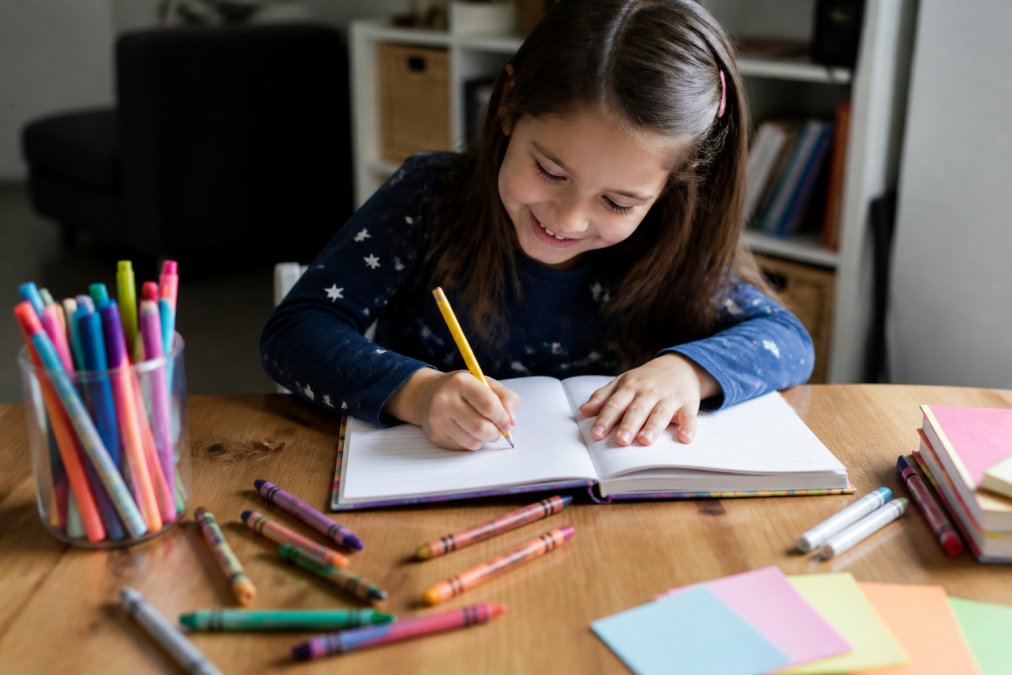
Choose a simple notebook and let your child decorate it to increase engagement. Set realistic expectations based on age, younger students write sentences, older ones write paragraphs. Make journaling judgment-free; spelling and grammar don't matter, only that kids feel safe expressing themselves.
Consider pairing journaling with engaging stories and activities. The New Island Friend Activity Book Bundle from Miso & Kili's Adventures combines storytelling with coloring, puzzles, and creative prompts that naturally inspire journal entries. Kids read about Miso and Kili's adventures, then write their own stories in response.

| Journaling Element | Best Practice | Why It Works |
|---|---|---|
| Timing | Same time daily | Creates automatic habit |
| Duration | 5-10 minutes | Builds consistency without burnout |
| Prompts | Open-ended questions | Encourages creativity and depth |
| Environment | Quiet, comfortable space | Reduces distractions |
| Feedback | Positive encouragement only | Builds confidence |
Frequently Asked Questions
What are some funny journal prompts for kids?
Funny prompts help kids stay engaged and enjoy the journaling process. Try: 'If your pet could talk, what would it say?' 'Design your own silly holiday and describe how you'd celebrate,' or 'Write about the funniest thing that happened this week.' These prompts encourage creative thinking while keeping journaling light and entertaining, which builds consistency in the daily journaling habit.
How can journaling help with social-emotional learning in kids?
Journaling develops social-emotional learning by giving kids a safe space to explore their feelings and build self-awareness. Writing about emotions, relationships, and personal challenges helps elementary students develop emotional intelligence and perspective-taking skills. Regular journaling practice strengthens critical thinking and helps kids process experiences, which contributes to better confidence and resilience over time.
How do you start a daily journaling habit for elementary students?
Begin by choosing a consistent time each day, even just 5-10 minutes. Provide a dedicated journal and fun writing tools like colored pencils or markers. Start with simple, engaging prompts that match your child's interests. Celebrate their effort rather than perfection. Pairing journaling with adventure-themed activities, like the Miso & Kili Activity Book Bundle ($24.99), can make the practice feel like play rather than a chore, helping kids stay motivated.