

Homeschool Reading Supplements: A 2026 Guide
Table of Contents
- What Makes Effective Homeschool Reading Supplements
- Science of Reading Homeschool Activities That Build Phonemic Awareness
- Screen-Free Reading Games for Kids and Hands-On Practice
- How to Teach Reading at Home With the Right Supplements
- Frequently Asked Questions
Last Updated: August 31, 2026
What Makes Effective Homeschool Reading Supplements
Effective homeschool reading supplements combine structured phonics instruction with engaging, hands-on activities that keep children motivated. The best supplements address specific literacy gaps rather than offering generic practice, targeting phonemic awareness, decoding skills, sight word recognition, or comprehension strategies based on where your child actually struggles.
Research shows that multisensory learning, combining visual, auditory, and kinesthetic elements, strengthens literacy development more effectively than worksheets alone (peer-reviewed research). Quality supplements also customize to your child's interests. If your child loves adventure stories, pairing phonics practice with character-driven narratives like the Miso & Kili series creates genuine engagement.

Science of Reading Homeschool Activities That Build Phonemic Awareness
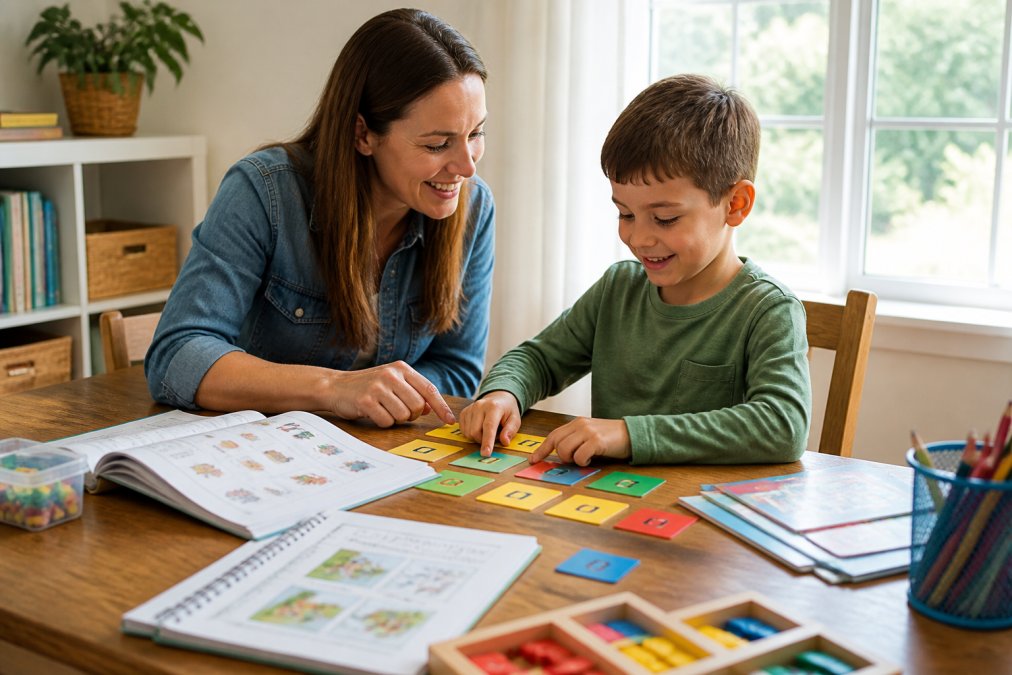
Phonemic awareness, the ability to recognize and manipulate individual sounds in words, is the foundation of reading success (the CDC). Effective activities include rhyming games, sound isolation exercises, and blending practice. Hands-on practice beats passive listening: your child should generate rhymes, sort words by initial sounds, or manipulate letter tiles to build new words.
Screen-Free Reading Games for Kids and Hands-On Practice
Screen-free reading games transform literacy practice into genuine play. Games with clear rules, immediate feedback, and tangible rewards feel less like "schoolwork" and more like fun, which means your child will engage with them repeatedly, building automaticity through repetition. Montessori toy progression.
Effective games target specific skills: Scrabble-style word building for decoding, rhyming card games for phonemic awareness, or guided reading paired with comprehension questions for meaning-making. Activity books provide targeted practice for specific gaps. Miso & Kili's Adventures offers activity book bundles like the New Island Friend Activity Book Bundle that pair adventure stories with coloring, puzzles, and comprehension activities.

How to Teach Reading at Home With the Right Supplements
Start with assessment. Identify exactly where your child stands: phonemic awareness level, decoding accuracy, sight word fluency, or comprehension struggles. Once you've identified the gap, select supplements that target that specific area with clear progression. The Miso & Kili Hardcover Bundle provides complete stories with built-in engagement that naturally builds reading fluency without requiring elaborate lesson planning.
Join the Miso & Kili Co-Pilot Club! →
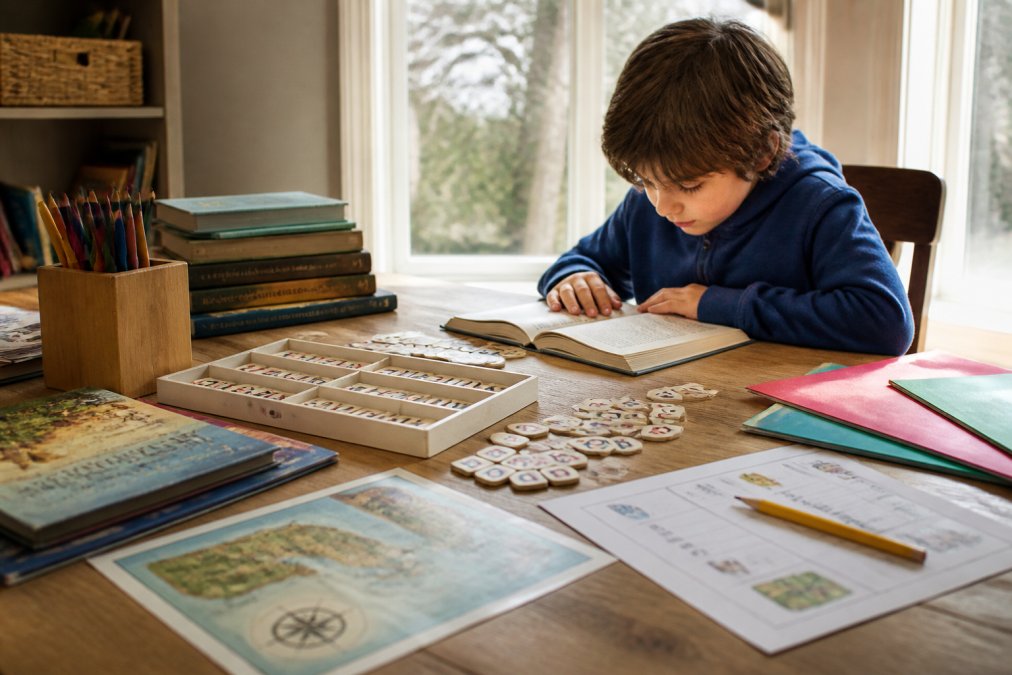
Integration matters. Weave supplements into your existing routine: use a phonics supplement during your morning reading block, follow with an activity book during independent practice time, and end with a game that reinforces the day's skill.
Consistency beats intensity. Fifteen minutes of daily, focused reading practice outperforms sporadic two-hour sessions. Your supplements should fit into a sustainable rhythm your family can maintain across weeks and months. The Co-Pilot Club from Miso & Kili's Adventures supports this consistency through monthly missions that naturally extend reading engagement.

| Supplement Type | Best For | Time Commitment | Frequency |
|---|---|---|---|
| Phonics workbooks | Building decoding skills | 10-15 minutes | 4-5 days/week |
| Activity books | Comprehension + engagement | 15-20 minutes | 3-4 days/week |
| Reading games | Fluency + motivation | 15-30 minutes | 2-3 days/week |
| Adventure series | Independent reading + confidence | 20-30 minutes | Daily |
Choosing the right homeschool reading supplements comes down to understanding your child's specific needs and finding materials that address them with genuine engagement. The most effective approach combines structured skill-building with narrative-driven stories that spark a genuine love of reading. At Miso & Kili's Adventures, we've built our award-winning children's books and Co-Pilot Club specifically for families like yours, parents who want screen-free learning that actually works. Start with the Miso & Kili's Flying Adventures: Complete Series Softcover Set to build reading fluency through adventure, then join the Co-Pilot Club to sustain engagement with monthly missions that extend learning beyond the pages. Get started with Miso & Kili's Adventures and watch your child's confidence, and reading skills, soar.
Frequently Asked Questions
How do I know if my child needs a homeschool reading supplement?
Your child may benefit from a reading supplement if they struggle with phonemic awareness, have difficulty blending sounds into words, avoid reading independently, or lag behind expected fluency levels for their age. Look for signs like slow decoding, limited sight word recognition, or comprehension gaps. A supplement targeting their specific weakness, whether phonics instruction, guided reading practice, or vocabulary development, can fill gaps in your core curriculum and build confidence.
What's the difference between workbooks and interactive adventure-based reading supplements?
Workbooks offer structured, targeted practice in phonics, comprehension, and sight words through worksheets and drills. Interactive adventure-based supplements like Miso & Kili's Flying Adventures combine engaging narratives with activities that build literacy skills through storytelling and exploration. Adventure-themed stories increase student engagement and reinforce a love of reading, while activity components provide hands-on practice in phonological processing and vocabulary acquisition. Both work best together, stories inspire, workbooks drill.
Can homeschool reading supplements work for neurodivergent learners?
Yes, when chosen thoughtfully. Multisensory learning approaches, combining visual, auditory, and kinesthetic elements, support dyslexic and neurodivergent readers. Look for supplements offering decodable readers with consistent phonics patterns, color-coded text, or activity-based learning that accommodates different processing styles. Adventure narratives with open-ended activities allow flexible pacing and can reduce anxiety. Pair structured phonics instruction with engaging stories to maintain motivation while building literacy skills at your child's pace.
This article was written using GrandRanker