

How to Encourage Kids to Write Stories
Table of Contents
- Start With Storytelling Games for Families
- Use Creative Writing Prompts for Kids
- How to Help a Child With Writer's Block
- Frequently Asked Questions
Last Updated: October 3, 2026
Start With Storytelling Games for Families
Storytelling games are one of the most effective ways to encourage kids to write stories by transforming writing into a shared family activity that feels fun rather than like homework.
In "story building," one person starts with a sentence, the next adds a sentence, and the story grows from there, kids see how ideas build on each other and learn that stories don't need to be perfect from the start. This collaborative process naturally bridges the gap toward exploring engaging bedtime stories that capture a child's imagination before they drift off to sleep.
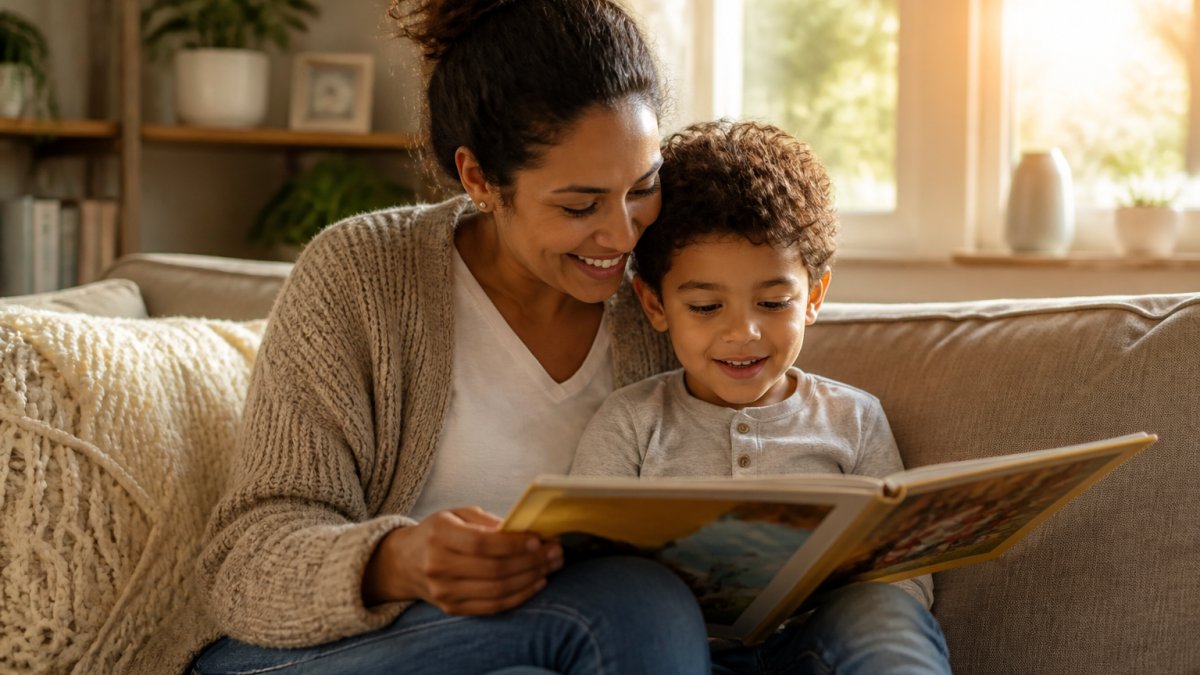
In "character creation," ask your child to invent a character, what they look like, what they want, and their biggest problem, and the story almost writes itself.
Kids who play storytelling games regularly become more confident when they sit down to write independently.
Try story dice (roll dice with pictures and create a story), "what if" questions ("What if your pet could talk?"), or character interviews.
Use Creative Writing Prompts for Kids
Creative writing prompts for kids work best when they spark imagination rather than feel like assignments.
Strong prompts are specific, "Write about the day your stuffed animal came to life" instead of "Write a story", because specificity removes blank-page fear.
Prompts work better when they connect to your child's interests: adventure prompts for explorers, animal prompts for animal lovers.
Miso & Kili Activity Book Bundle — 3 Adventures in One! →
The Miso & Kili Activity Book Bundle combines coloring scenes from Miso and Kili's adventures with prompts that encourage kids to imagine what happens next.

How to Help a Child With Writer's Block
Writer's block happens when kids feel stuck; the fix is removing the pressure to be perfect.
Most children freeze because they worry their writing won't be "good enough." Tell your child that all writers start with messy first drafts, famous authors cross things out, change their minds, and write badly at first.
If your child feels stuck, try drawing the scene first, talking the story out loud before writing, writing badly on purpose to remove perfection pressure, or taking a break.
Reading together helps kids absorb story structure, dialogue, and character development, the foundation for their own writing (The effects of interactive reading on young children’s narrative abilities).
The biggest barrier to kids writing stories is lack of confidence and pressure to be perfect. When you create a space where storytelling feels like play, where ideas matter more than spelling, kids naturally want to write. Start with games, use prompts that spark genuine interest, and celebrate messy first drafts. Join the Miso & Kili Co-Pilot Club for monthly missions designed to inspire creativity and build writing confidence in your young explorers.
Frequently Asked Questions
How can I encourage my child to write stories if they say they don't like writing?
Start where your child already feels confident: storytelling. Ask them to tell you a story aloud first, then write down what they say. This removes the pressure of creating and spelling perfectly at once. Use creative writing prompts for kids that connect to their interests, if they love cats and adventure, create prompts around those themes. Celebrate what they write, no matter how short or simple. Many children resist writing because they fear judgment, not because they lack ideas.
What are the best storytelling games for families to build writing skills?
Try collaborative storytelling where one person starts a story and another continues it. Play 'What Happens Next?' by pausing at exciting moments and letting your child predict or create the ending. Use story dice or picture cards to spark ideas. These games build narrative skills and show your child that stories come from imagination, not perfection. They're also screen-free and fun for the whole family, making them perfect for building writing confidence without pressure.
How do I help a child with writer's block get unstuck?
Writer's block often stems from perfectionism or fear of criticism. Encourage your child to write badly on purpose, let them know the first draft is supposed to be messy. Use creative writing prompts for kids to give them a starting point instead of a blank page. Take breaks and do something physical or imaginative together. Read stories aloud to remind them what good storytelling sounds like. Most importantly, validate their ideas before they even write them down: 'That's such a cool idea. Let's get it on paper, and we can fix anything later.'