

How to Encourage Reading in Children: Fun Tips
Table of Contents
- Why Encouraging Reading Matters Early
- How to Make Reading Fun for Kids Every Day
- The Benefits of Reading Aloud to Children
- Frequently Asked Questions
How to Encourage Reading in Children: A Parent’s Guide to Raising Book Lovers
Last Updated: September 8, 2026
When a child picks up a book on their own, that moment of independent choice is the real goal for how to encourage reading in children, and it rarely happens by accident. The answer isn't pressure or reward charts; it's building an environment where books feel like play, not homework.
Why Encouraging Reading Matters Early
Reading encouragement in the early years builds comprehension, vocabulary, and critical thinking. The habits formed between ages four and ten stick, and the real value is the emotional connection: when a child associates books with warmth and attention, they internalize reading as a pleasure rather than a task.
How to Make Reading Fun for Kids Every Day
Making reading fun for kids requires shifting from "reading time" to "story time," because children respond to play, not schedules. Let them choose their own books at the library, create a cozy reading corner, use cliff-hangers to build anticipation, and connect books to real adventures.
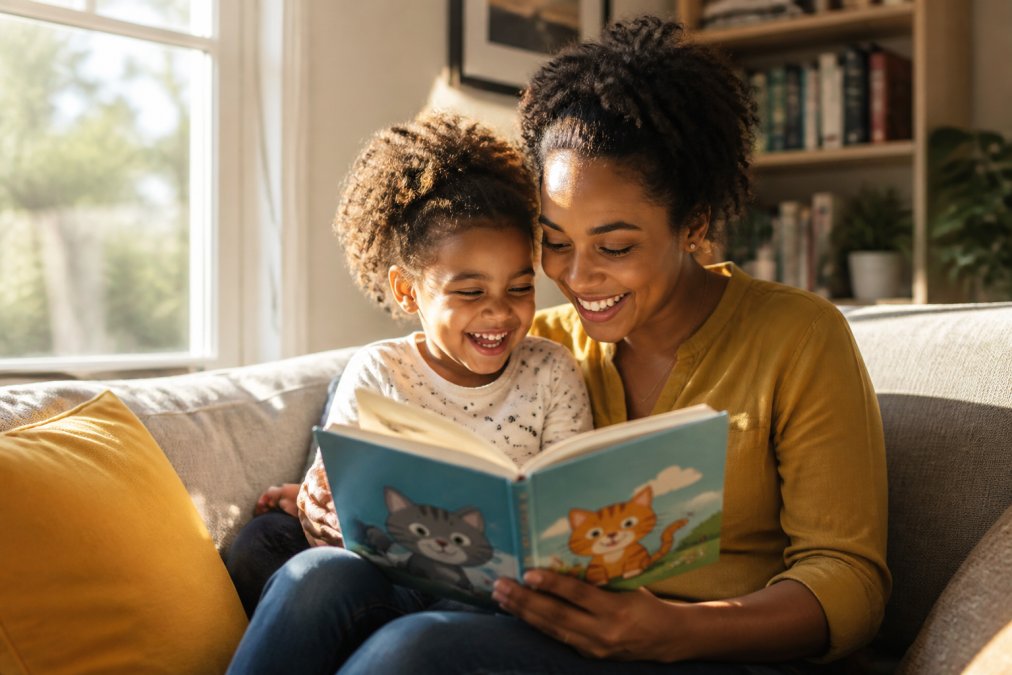
The Benefits of Reading Aloud to Children
Reading aloud to children remains the single most effective tool for building literacy, even after kids can read independently, exposing them to vocabulary and sentence structures far beyond their current reading level. The American Academy of Pediatrics guidance on early literacy emphasizes that reading aloud from infancy builds the brain connections needed for language development. A common mistake is stopping read-alouds once a child can decode words; keep reading together through age ten or beyond.
How to Handle the Reading Slump Phase
Nearly every child hits a reading slump, usually between ages seven and nine, often coinciding with school assigning required reading. The most effective response is to lower the stakes: switch to comics, joke books, or audiobooks, and model your own reading behavior so children internalize that reading is a lifelong habit.
Supporting Neurodivergent and Reluctant Readers
Neurodivergent children often need different support: for ADHD, shorter sessions with movement breaks work better; dyslexic readers frequently thrive with audiobooks paired with print. Many families find that Reading Rockets resources on struggling readers recommend matching books to interests rather than reading levels, interest-driven reading builds stamina, and stamina builds skill.
Join the Miso & Kili Co-Pilot Club! →
Families with reluctant or neurodivergent readers benefit most from pairing audiobooks with physical books, choosing interest-driven topics over reading-level-matched picks, and keeping sessions short with built-in movement breaks.
Building a Home Library on a Budget
A single shelf in the living room with rotating titles creates the daily visibility that sparks spontaneous reading. Thrift stores, library sales, and used book exchanges offer quality books for pocket change. The National Institute for Literacy family guide notes that children who grow up with books in the home complete more years of education than those without, regardless of parental education levels or income.
| Reading Strategy | Best Age Range | Time Commitment | Primary Benefit |
|---|---|---|---|
| Read-aloud sessions | 0-10 years | 15-20 min daily | Vocabulary and bonding |
| Child-led book selection | 4-10 years | Weekly library trips | Reading motivation and autonomy |
| Interest-based book matching | 4-10 years | Ongoing | Stamina for reluctant readers |
Bringing Stories to Life Beyond the Page
The children who become lifelong readers are the ones who experience stories as living things, acting out scenes, drawing characters, or wondering what happens after the final page. At Miso & Kili's Adventures, our award-winning books follow two adventurous pilot cats, designed to spark questions and conversations that carry children toward the next book.

Getting children to read regularly isn't about forcing a daily schedule or rewarding page counts; it's about creating an environment where books compete successfully against screens. Miso & Kili's Adventures supports that mission with character-driven stories and activity books that turn reading into an interactive experience, plus monthly missions. Join the Miso & Kili Co-Pilot Club and give your young reader a reason to keep turning pages.
Frequently Asked Questions
How much time should a child spend reading daily?
Aim for 15-20 minutes of focused reading time each day for elementary-age children. Consistency matters more than long sessions. Even 10 minutes before bed builds a strong habit. For younger kids, that time can be split between you reading aloud and them looking at pictures. The goal is to make reading a daily routine, not a chore. Short, regular sessions keep children engaged and build stamina gradually.
How do you motivate a reluctant child to read?
Start by letting your child choose what they read, even if it is graphic novels or comic books. Connect books to their interests, like adventure stories for kids who love animals or planes.