

How to Help Children Love Reading: 7 Steps
Table of Contents
- How to Help Children Love Reading
- How to Make Reading Fun for Kids
- Books for Reluctant Readers and Read Aloud Tips
- Frequently Asked Questions
Last Updated: October 10, 2026
How to Help Children Love Reading
The best readers choose to read for pleasure. To help children love reading, create moments where stories feel like adventures, not assignments, when reading feels enjoyable rather than a chore, children naturally gravitate toward books. Cultivating this sense of wonder also provides the mental clarity needed to help your child focus during their academic pursuits.
How to Make Reading Fun for Kids
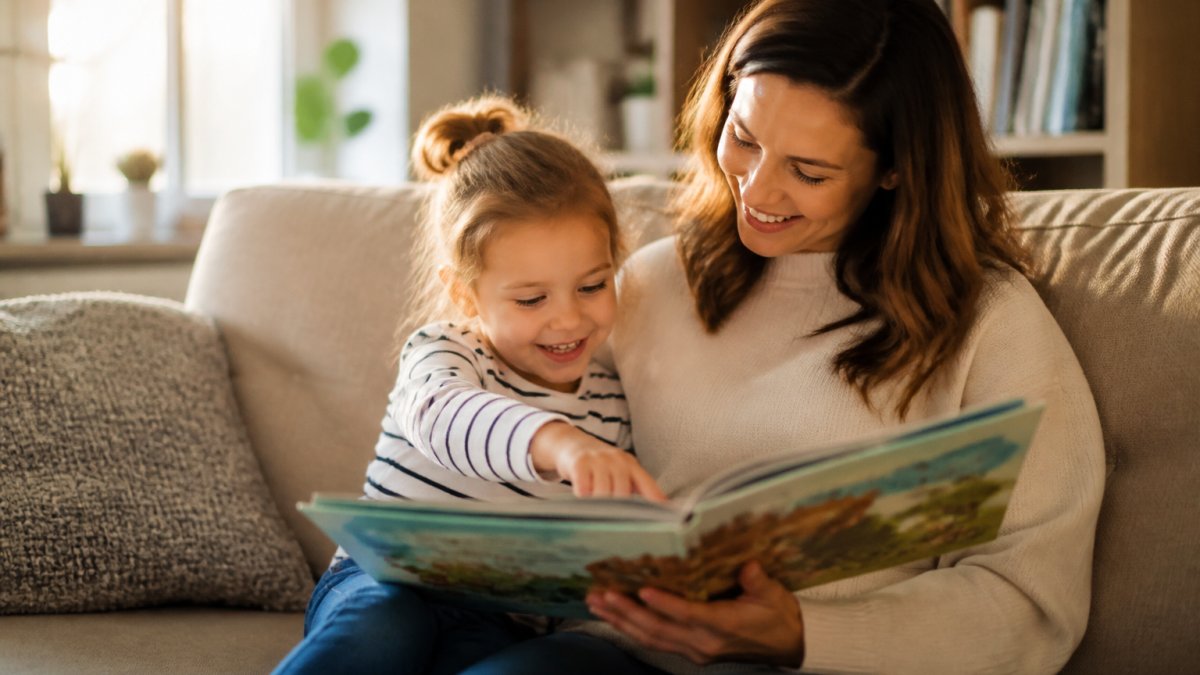
Let children take turns reading aloud to build confidence and follow their interests, if they love cats, find cat stories. Make reading a family activity and model it yourself; when children see adults reading for pleasure, they learn it's enjoyable. Create low-pressure reading spaces with cushions and good lighting to remove the performance aspect.
Books for Reluctant Readers and Read Aloud Tips
For reluctant readers, start with books matching their interests, not reading level; graphic novels and picture books work brilliantly since visual storytelling builds confidence.
Read aloud without judgment to let children absorb rhythm and pacing naturally. Try audiobooks during car rides to build vocabulary when traditional reading feels hard.
Consider pairing stories with activities. The American Academy of Pediatrics emphasizes that interactive experiences with books strengthen comprehension and engagement. After reading about an adventure, draw pictures from the story. Act out scenes with stuffed animals. Let the story extend beyond the page.
For families seeking award-winning stories that naturally capture children's imaginations, the Miso & Kili's Flying Adventures series offers adventure-filled narratives designed for young readers. The Miso & Kili's Flying Adventures: Books 1-3 Bundle ($39.99) includes three stories featuring two adventurous pilot cats exploring mysterious islands, wilderness, and deserts. Each book is signed by the author and includes real paw prints, details that make reading feel special and memorable.
Miso & Kili's Flying Adventures: Complete Series Softcover Set (Books 1–6) →

Building a love of reading takes time and consistency. Celebrate small wins, when a child finishes a book or asks for "one more chapter," that's success.
| Strategy | Best For | How It Works |
|---|---|---|
| Let children choose books | All ages | Ownership increases engagement |
| Read aloud together | Ages 4-8 | Models fluent reading, builds connection |
| Daily reading routine | All ages | Creates consistency and expectation |
| Offer variety of formats | Reluctant readers | Keeps reading fresh and accessible |
| Match interests, not level | Struggling readers | Engagement matters more than difficulty |
Join the Miso & Kili Co-Pilot Club for monthly reading missions and interactive adventures that extend stories beyond the page. Monthly missions transform reading into exploration, giving children reasons to return to books and build confidence through screen-free activities.
The real challenge is creating space where reading feels like choice, not obligation. Start with books matching your child's interests and build a reading routine that works for your family.
Frequently Asked Questions
What is the 5-finger rule for reading?
The 5-finger rule helps children pick books at the right level. Have your child read a page and hold up one finger for each word they don't know. One or two fingers means the book fits their level. Three to five fingers suggests the book may be too challenging. This simple method builds confidence by matching children with books they can enjoy without frustration.
How can I help children love reading if they refuse to read?
Start by removing pressure. Let them choose books about their interests, read aloud together without expecting them to follow along, and celebrate small wins. Try graphic novels, audiobooks, or magazine articles if traditional books feel overwhelming. Keep reading materials visible and accessible. The goal is connection, not performance. When reading feels safe and fun, reluctance often fades naturally.
How much should I read to my child each day?
Aim for at least 15-20 minutes of shared reading daily, though even 10 minutes builds the habit. Consistency matters more than duration. Many families find bedtime works best, but anytime works if it's regular. Pair reading with interactive activities like the Miso & Kili's Flying Adventures books, which invite conversation and imaginative play, to extend engagement beyond the page.