

Creative Ways to Teach Values to Kids
Table of Contents
- Model Values Through Your Own Behavior
- How to Teach Empathy to a 7 Year Old
- Character Building Activities for Kids
- Meaningful Gifts for 7 Year Olds That Reinforce Values
Last Updated: August 25, 2026
Model Values Through Your Own Behavior
Children absorb values from watching how adults live, not from lectures. When you demonstrate honesty, kindness, and integrity in everyday moments, returning extra change, admitting mistakes, helping without recognition, you're teaching far more effectively than any conversation. Consistency matters more than grand gestures: your child notices whether you keep promises, how you speak about others, and whether your actions match your words.
How to Teach Empathy to a 7 Year Old
Teaching empathy means helping children recognize how others feel and respond with care. At this age, kids develop the ability to see situations from another person's perspective, a critical skill for social emotional learning (peer-reviewed research).
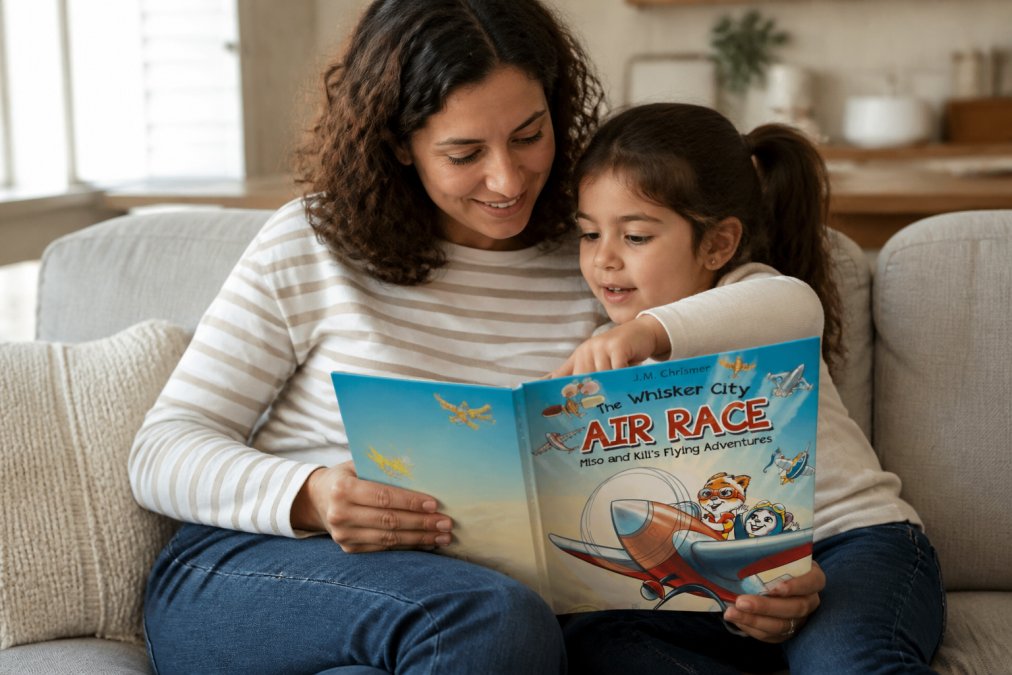
Start with stories. When reading together, pause to ask "How do you think that character felt?" or "What would you do in their situation?" Then connect to real life: "Remember when your friend felt left out? This character felt the same way."
Create teachable moments around your child's own experiences. When they feel frustrated or hurt, help them name the feeling, then bridge it to others: "When your sister broke your toy, you felt upset. How do you think she felt when you yelled at her?" Volunteer activities give empathy a tangible outlet, helping a neighbor or donating toys shows that caring translates into action.
Character Building Activities for Kids
Character development happens through hands-on activities that let kids practice values in safe, creative ways. Create a family values discussion where each member shares what matters most to them, then revisit monthly during family meetings. This builds belonging and strengthens family culture.
Conflict resolution exercises teach kids to handle disagreements with fairness and respect. Role-play scenarios with different wants or needs, then practice solutions together. This builds problem-solving skills and shows conflicts can be resolved through listening and compromise. simplify morning routines.
Activity books designed around adventure and character education combine learning with creative engagement. The Miso & Kili Activity Book Bundle, 3 Adventures in One pairs storytelling with interactive puzzles and coloring that reinforce themes of friendship, courage, and exploration.

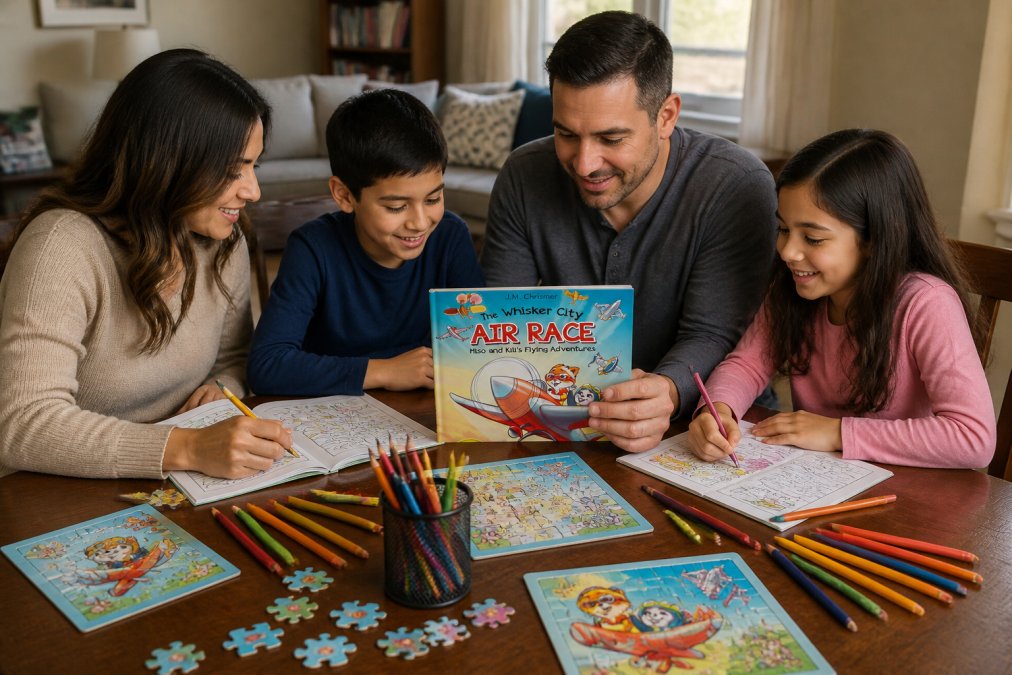
Decision-making frameworks help children practice values-based choices. Create scenarios: "Your friend wants to copy your homework. What would be the honest choice? The kind choice?" These conversations build intrinsic motivation and self-reflection.
Join the Miso & Kili Co-Pilot Club! →
| Activity Type | Best For | Time Investment |
|---|---|---|
| Family values meetings | Building shared culture | 20-30 minutes monthly |
| Conflict resolution role-play | Teaching fairness and listening | 15-20 minutes as needed |
| Adventure-based activity books | Screen-free creative engagement | 30-45 minutes per session |
| Service projects | Teaching kindness and responsibility | 1-2 hours monthly |
| Decision-making scenarios | Practicing values-based thinking | 10-15 minutes daily |
Meaningful Gifts for 7 Year Olds That Reinforce Values
Gifts that reinforce values inspire creativity, build confidence, and encourage positive character traits. Screen-free gifts that encourage active play and creativity are far more valuable for character development than passive entertainment (peer-reviewed research).
The New Island Friend Activity Book Bundle combines an award-winning storybook with interactive activities, puzzles, and coloring pages. The story follows two adventurous cats learning about friendship and exploration, reinforcing kindness, courage, and curiosity. At $24.99, it's a gift children return to repeatedly.
For flexibility, digital activity downloads at $4.99 each offer printable books for immediate delivery. Gifts like a Sponsor Donation Softcover at $20.00 teach generosity by letting your child donate a book to a local library, transforming gift-giving into a values-based action.
Choose gifts that align with the values you're actively teaching. A gift that sparks imagination, paired with your modeling and family conversations, reinforces that these values matter.
Teaching values to kids is woven into daily life through the choices you model, conversations you have, and activities you share together. Start with books and activities that make values tangible and engaging. Join the Miso & Kili Co-Pilot Club to access monthly missions designed around character development and adventure, bringing screen-free learning directly into your family's routine.
Frequently Asked Questions
What are some engaging activities to teach values?
Role-playing scenarios, storytelling with moral lessons, and hands-on activities like community service projects help kids internalize values. Adventure-themed books paired with coloring and puzzle activities engage multiple learning styles. Family meetings where everyone shares decisions and discusses fairness also reinforce values naturally. The key is making values tangible through real situations rather than abstract lectures.
How can parents model core values for their children?
Children learn values by watching how you handle conflicts, treat others, and make decisions. When you admit mistakes, show kindness to strangers, or stand up for what's right, your child notices. Narrate your choices: 'I'm helping because I value kindness' or 'I'm listening because respect matters to me.' This behavioral reinforcement is far more powerful than telling kids what values are. Consistency between what you say and do builds integrity and trust.
How do you teach values to children without lecturing?
Use stories, teachable moments, and questions instead of directives. When your child faces a conflict, ask 'What would a fair solution look like?' rather than telling them. Read character-driven books featuring heroes who demonstrate integrity and kindness. Let natural consequences teach responsibility. Celebrate when you catch them showing empathy or making ethical choices. This approach builds self-reflection and intrinsic motivation rather than compliance based on rules.
This article was written using GrandRanker