

How to Build Child Confidence: Proven Strategies
Table of Contents
- Why Building Child Confidence Matters
- Activities to Build Self-Esteem in Children
- How to Help a Shy Child Gain Confidence
- Meaningful Gifts for 7 Year Olds That Build Confidence
- Frequently Asked Questions
Last Updated: September 2, 2026
Why Building Child Confidence Matters
Confidence shapes how children approach challenges, interact with peers, and view their own abilities. Children with strong self-esteem are more likely to take healthy risks, bounce back from setbacks, and develop the problem-solving skills they'll need throughout their lives (apa.org). Shy children or those who struggle with self-worth often withdraw from social interaction, which reinforces anxiety and self-doubt. But confidence isn't innate, it's built through specific, repeatable experiences that show children they're capable.
Activities to Build Self-Esteem in Children
Real confidence comes from attempting something challenging, struggling a bit, and then succeeding through effort. Creative projects work exceptionally well because they have no "wrong" answer. Screen-free activities demand active participation rather than passive consumption and naturally encourage brave steps and problem-solving.
Consider activities that let children make real choices and see real results: gardening teaches cause and effect, cooking involves following steps and tasting success, and building with blocks shows how persistence pays off. Each builds competence, which is the actual foundation of confidence.
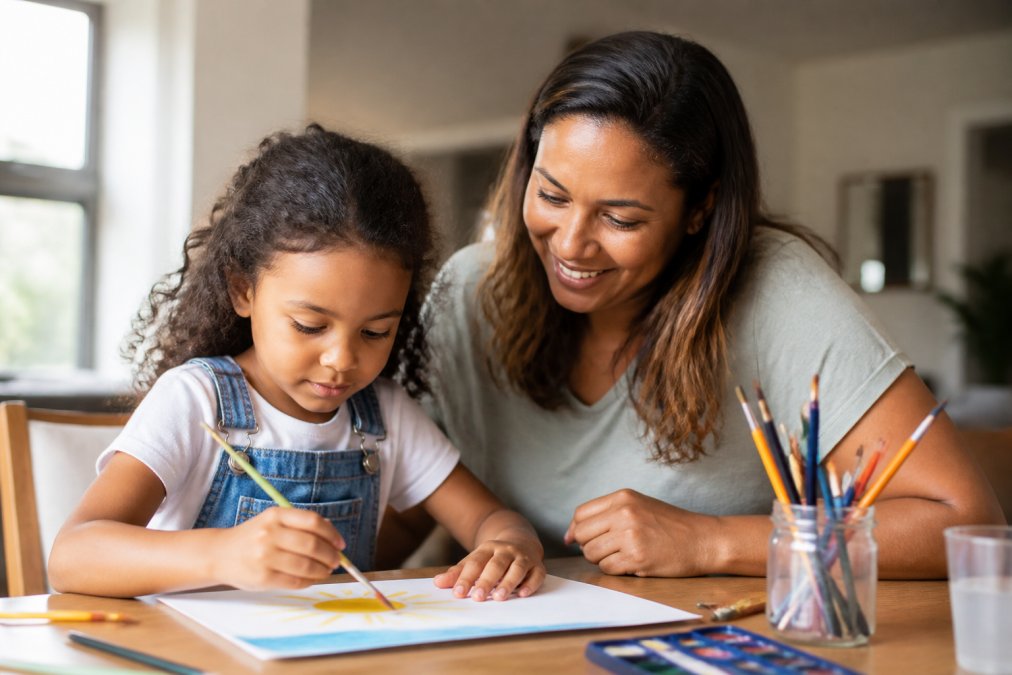
Story-based activities deserve special mention. When children engage with adventure narratives, they're practicing brave steps in a safe space and seeing characters overcome challenges. Resources like the Miso & Kili's Adventures Co-Pilot Club offer monthly missions that combine storytelling with interactive challenges, giving children structured opportunities to practice independence and problem-solving.

How to Help a Shy Child Gain Confidence
Shy children aren't broken, they're often thoughtful, observant, and careful (apa.org). The goal is to help them develop enough confidence to participate in their own lives and pursue things they care about, even when it feels uncomfortable.
Start by accepting their temperament while gently expanding their comfort zone. Introduce new situations gradually: visit a place when it's quiet, meet one new person before a group, and let them observe before they participate. Descriptive praise is crucial. Instead of "You're so brave," say "You tried something new even though you felt nervous. That took courage." This teaches them that bravery isn't the absence of fear, it's acting despite it. managing sports anxiety.
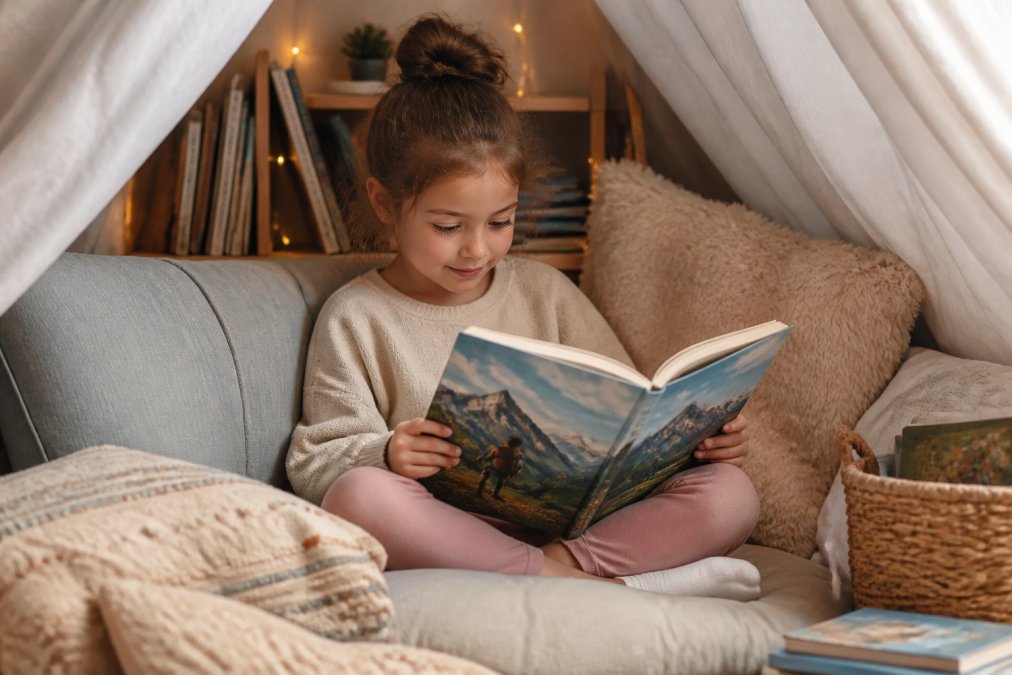
Role modeling confident behavior matters more than you might think. When children see you handle mistakes, respond to criticism, and attempt things that challenge you, they learn that competence doesn't require perfection.
Join the Miso & Kili Co-Pilot Club! →
Meaningful Gifts for 7 Year Olds That Build Confidence
Gifts that build confidence invite active engagement and creative expression. Adventure-themed books and activity sets rank highest because they combine storytelling with agency. The Miso & Kili's Flying Adventures series features cat protagonists who model bravery, curiosity, and friendship. Pairing a book with the Kili the Mechanic Plush Toy ($24.99) or Miso the Pilot Plush Toy ($24.99) extends the story into imaginative play, where children practice brave steps they've read about.

The Miso & Kili's Adventure Pack ($39.99) includes an author-signed book, exclusive plushie, and bonus stickers. The Miso & Kili's Flying Adventures Complete Series Softcover Set ($74.95) offers all six books, giving children an extended narrative arc to follow. Building toys, art supplies, and journals also work well, they say "I trust your creativity and your ideas matter."
Building confidence in children is less about grand gestures and more about consistent, thoughtful experiences that show them they're capable. Whether through creative activities, gentle social expansion for shy children, or meaningful gifts that invite engagement, the message is the same: you matter, your effort counts, and you can handle challenges. At Miso & Kili's Adventures, we've designed our books and Co-Pilot Club missions around this exact philosophy, helping young explorers discover their own courage through adventure and imagination. Join the Miso & Kili Co-Pilot Club today and give your child monthly opportunities to practice independence, problem-solving, and brave steps in a supportive, story-driven environment.
Frequently Asked Questions
What role does failure play in building a child's confidence?
Failure teaches resilience and problem-solving skills. When children experience setbacks and recover, they learn that mistakes don't define them. Help your child see failure as information, not defeat. Say things like, 'That didn't work, what could you try differently?' This builds self-efficacy and emotional regulation. Children who learn to handle failure develop stronger confidence and independence than those protected from all challenges.
How can I balance praise with realistic expectations when building child confidence?
Use descriptive praise focused on effort and strategy, not just outcomes. Instead of 'You're so smart,' try 'You worked hard on that problem and found a solution.' This builds intrinsic motivation tied to competence and mastery. Set goals that challenge your child without overwhelming them. Acknowledge accomplishments honestly while encouraging brave steps toward new skills. This honest feedback builds genuine self-worth rather than fragile self-esteem based on empty compliments.
What are some screen-free activities that boost child confidence?
Adventure-themed activities spark imagination and build self-efficacy. Reading engaging stories about brave characters, building things with your child, trying new physical activities, and solving puzzles together all develop competence and mastery. Role-playing games, outdoor exploration, and creative projects let children practice problem-solving skills in real situations. Screen-free play also strengthens social interaction and emotional intelligence. Stories like Miso & Kili's Adventures inspire children to see themselves as capable explorers tackling challenges.
This article was written using GrandRanker