

How to Make Reading Fun for Struggling 3rd Graders
Table of Contents
- Try Reading Comprehension Games for Kids
- Use Creative Writing Prompts for Kids to Spark Storytelling
- Build a Daily Reading Routine That Feels Like Fun
- Frequently Asked Questions
Last Updated: September 17, 2026
Try Reading Comprehension Games for Kids
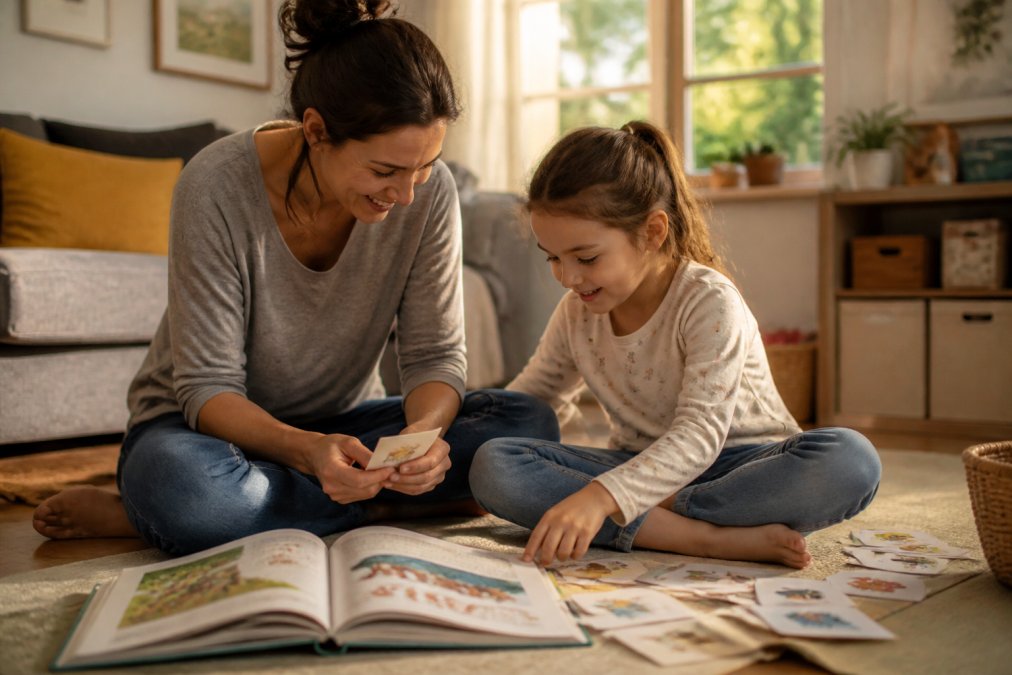
Reading comprehension games for kids turn a frustrating task into a shared win. When a struggling 3rd grader feels stuck, a game shifts the focus from "I can't read this" to "I want to win this round." That small mental switch matters more than most parents expect.
Here is how to make reading fun for struggling 3rd graders with games that actually work:
- Story charades: Your child acts out a scene while you guess the chapter.
- Word hunt: Hide vocabulary words around the room and read each one aloud when found.
- Roll-and-retell: Roll a die, then answer a question about the story (who, what, where, why, how, feelings).
- Picture detective: Read one page, then draw what happened without looking back.
The key is keeping rounds short. Ten focused minutes beats a forced thirty.
Use Creative Writing Prompts for Kids to Spark Storytelling
Creative writing prompts for kids work because they flip the power dynamic. Instead of decoding someone else's words, your child becomes the author. A 3rd grader who hates reading aloud will often happily invent a story about a cat who flies a plane.
Try prompts that connect to what they already love:
- "You wake up and your pet can talk. What is the first thing it says?"
- "Write three sentences about a place you want to explore."
- "Finish this: The door opened and inside I saw..."
Keep it to three sentences at first. Longer prompts feel like homework.
Build a Daily Reading Routine That Feels Like Fun
A daily reading routine only sticks when it feels like a treat, not a chore. Pick the same cozy time each day, keep it short, and let your child choose the book. Fifteen minutes at bedtime usually works better than a forced hour after school.
Make the routine easier with small habits:
- Let your child pick from a stack of "just right books."
- Read aloud together, taking turns by paragraph.
- Keep a family reading log with stickers or stamps.
- Pair a story with a hands-on activity afterward.
For a screen-free option that pairs a story with puzzles and coloring, the Miso & Kili Activity Book Bundle ($24.99) gives kids three adventures to read, color, and solve. It works well for quiet time, homeschool days, and road trips.

Frequently Asked Questions
How do I help a 3rd grader struggling with reading?
Start by removing pressure. Let your child choose books at their comfort level, even if they seem easy. Pair reading with hands-on activities like coloring or puzzles from activity books, which keeps the experience positive. Read aloud together daily so they hear fluent reading without the stress of performing. Small, consistent wins build confidence faster than pushing through hard material.
What are some fun reading activities for 3rd grade students?
Reading comprehension games for kids work well: act out scenes, draw favorite characters, or pause mid-story and ask what happens next. Creative writing prompts for kids let them invent alternate endings or new adventures for characters they love. Activity books with puzzles and coloring pages tied to a story extend the fun beyond the page and keep kids engaged without screens.
How much time should a 3rd grader spend reading daily?
Most educators suggest 15 to 20 minutes of focused reading per day for 3rd graders. The quality of that time matters more than the length. A short session where your child enjoys the story and feels successful beats a long, frustrating one. If attention is short, break it into two 10-minute blocks and pair each with a fun follow-up activity.
Third graders who struggle with reading often just need the right doorway back in, and games, storytelling, and a relaxed daily habit open that door. Miso & Kili's Adventures builds award-winning, screen-free books and activity bundles that make reading feel like an adventure again, with creative prompts, puzzles, and stories kids want to return to. Join the Miso & Kili Co-Pilot Club and give your young explorer monthly missions that keep the love of reading alive.