

Fun Reading Challenges for Kids 2026: 7 Ideas That Work
Table of Contents
- How to Set Up a Reading Challenge Your Kids Will Actually Do
- Printable Reading Challenge Trackers That Keep Kids Motivated
- Creative Writing Prompts for Kids to Extend the Reading Experience
- Summer Reading Incentive Ideas That Don't Require Spending Much
Last Updated: August 28, 2026
How to Set Up a Reading Challenge Your Kids Will Actually Do
The best reading challenges work because they tap into what children already love: adventure, achievement, and friendly competition. Successful challenges give kids agency in choosing books and tracking progress.
Start by letting your child pick the challenge format, visual trackers, checklists, or story-based missions. The format matters less than buy-in. If your child helps design it, they're already invested.
Set a realistic goal together. "Read 12 books this summer" works better than "read every day" because it's measurable without demanding perfection. Daily goals create pressure and lead to abandonment (peer-reviewed research).

Make the challenge visible on the refrigerator, bulletin board, or family calendar. Visibility creates momentum as kids naturally check progress and feel proud watching accomplishments accumulate.
Printable Reading Challenge Trackers That Keep Kids Motivated
A printable reading tracker transforms an abstract goal into something tangible. Kids can color sections, add stickers, draw favorite characters, or write quick notes about what they read. The act of marking progress is motivating itself.
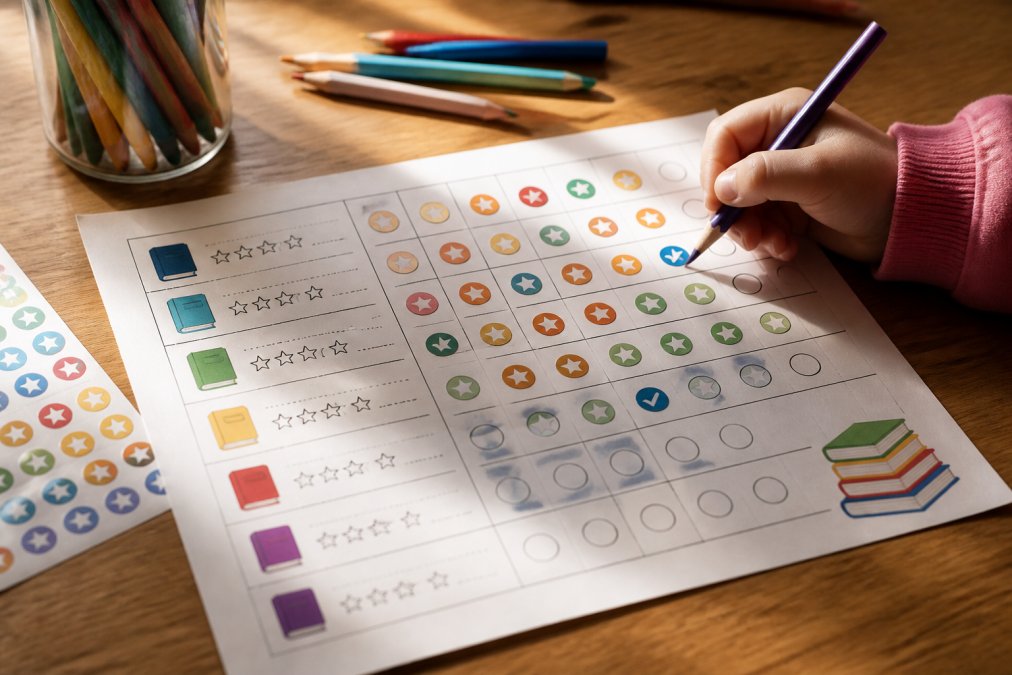
Miso & Kili's Adventures offers activity book bundles that include printable reading logs designed for this purpose. The Miso & Kili Activity Book Bundle combines coloring, puzzles, and reading activities in one package, giving kids multiple ways to engage with stories beyond reading alone. These trackers work because they're interactive, kids create something they want to look at.

Simple designs work best. A chart with book titles, dates, and a ratings column keeps focus on reading. Some families add a "character I liked best" or "my favorite part" section to encourage reflection.
Creative Writing Prompts for Kids to Extend the Reading Experience
Reading challenges deepen when kids create something after finishing a book. Creative writing prompts give reluctant writers an entry point and help readers deepen comprehension.
Try character-based prompts ("Write a letter to your favorite character"), world-building ("Describe what happens the day after the book ends"), or perspective-shifting ("Tell the story from the villain's point of view"). Open-ended prompts invite genuine creativity rather than compliance.
Join the Miso & Kili Co-Pilot Club! →
Audiobooks count as reading and open doors for different learning styles (ala.org). A child listening while coloring or building is still engaging with literacy and building comprehension (peer-reviewed research). Don't gatekeep the format, the goal is developing a love of stories.
Summer Reading Incentive Ideas That Don't Require Spending Much
Incentives work best when they're meaningful to your specific child. A child who loves art might prefer a new sketchbook over a toy.
Create a reward menu with tiered options. Finishing three books earns a choice from the small-reward list (extra screen time, picking dinner, a special activity). Reaching halfway unlocks medium rewards. Completing the full challenge brings a larger celebration.
Free or low-cost incentives often work better than expensive ones. A homemade certificate, a special "author's night" dinner where your child reads their favorite passage aloud, or a library trip cost nothing but carry real weight. Many families find the tracker itself becomes the primary motivator once kids see momentum building.
Reading bingo adds game mechanics without cost. Create a card with categories like "a book about an animal," "a funny book," "a book with a blue cover," and "a book someone recommended." When kids complete a row, they've naturally read diverse genres.
Setting up a reading challenge that works comes down to honoring what your child finds engaging and giving them tools to track progress. The best challenges feel like an adventure they're choosing, not an assignment they're enduring. Combine a solid tracker, meaningful incentives, and creative extensions like writing prompts to build a lifelong love of stories. Join the Miso & Kili Co-Pilot Club to access monthly missions and resources designed to spark imagination and keep young readers engaged throughout the year.
Frequently Asked Questions
What are some ideas for a reading challenge in 2026?
Popular reading challenges include book bingo (mark off squares as kids read different genres), page-count goals (aim for 500 pages by summer's end), and genre exploration challenges (read one book from fantasy, mystery, and adventure). You can also create themed challenges around your child's interests, like cat-themed books from the Miso & Kili series, or tie challenges to real-world adventures your family plans. The key is matching the challenge to your child's reading level and interests so they stay engaged.
How can I motivate my child to participate in a reading challenge?
Combine printable reading challenge trackers with small, meaningful rewards, extra screen time, a special outing, or a new book. Celebrate progress visibly by displaying their tracker on the fridge. Make it social by reading together, joining a library challenge, or sharing book picks with friends. Avoid pressure; frame reading challenges as adventures rather than obligations. Many kids respond well to character-driven stories like Miso & Kili's adventures, which spark natural enthusiasm and make reading feel like exploration rather than a task.
What's the best way to track reading progress for kids?
Printable reading logs are simple and effective, kids record the book title, author, pages read, and rating. Visual trackers like reading bingo cards or progress bars appeal to younger children. For older kids, a reading journal where they write brief thoughts about each book builds comprehension and reflection. Digital options exist, but printable trackers keep the experience screen-free and tactile. Pair tracking with activity books like the Miso & Kili Activity Book Bundle ($24.99), which lets kids extend their reading through puzzles and coloring while documenting their literacy journey.
This article was written using GrandRanker